
MMM: Canada Is Officially In A Recession. The Bigger Question Is: What Happens Next?
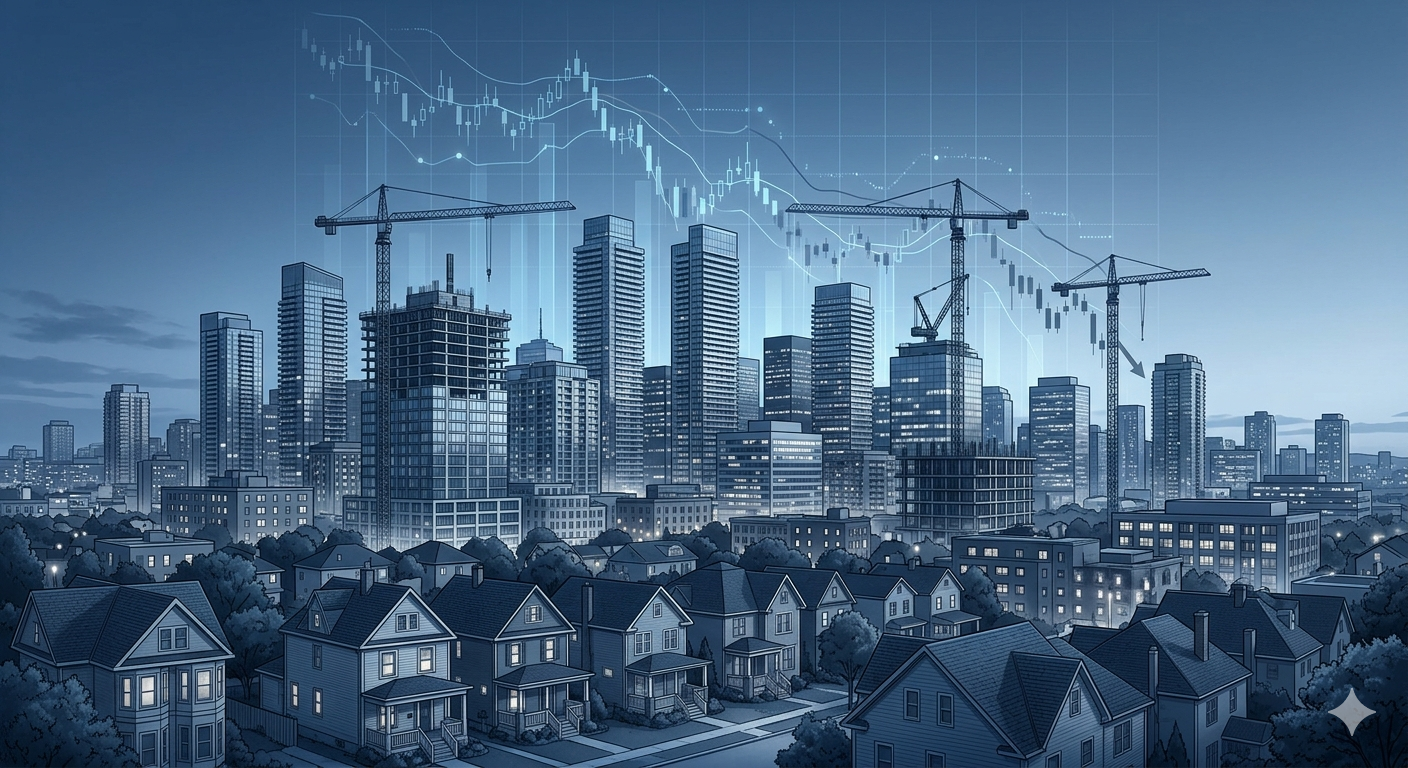
Canada officially entered what economists call a technical recession this week after recording two consecutive quarters of negative GDP growth.
Depending on your perspective, some people may view this as a major economic turning point, while others may argue the economy is still holding up reasonably well.
However, for those working in real estate, construction, development, mortgage financing, renovations, furniture sales, and home services, the news may feel more like a confirmation than a surprise.
Many are likely asking:
"Wait... we weren't already in one?"
Recessions Don't Always Start with GDP
Most people imagine a recession follows a straightforward sequence:
GDP falls
A recession begins
Jobs are lost
Housing weakens
In reality, economic slowdowns often develop gradually, with certain sectors feeling the impact long before GDP data officially confirms it.
In Canada's case, much of the housing and construction industry has been navigating these challenges for several years.
How the Slowdown Unfolded
1. Housing Demand Softened
As interest rates increased beginning in 2022, affordability worsened and buyer demand started to decline.
2. Transactions Slowed
Many buyers and sellers chose to wait on the sidelines, creating a significant drop in housing activity throughout 2023 and beyond.
3. Construction Activity Weakened
Developers faced higher financing costs, increased construction expenses, and greater uncertainty, causing many projects to be delayed or reconsidered.
4. Investment Began Drying Up
Pre-construction sales became more difficult, project viability declined, and some developments were postponed indefinitely.
5. Renovation Spending Declined
Homeowners became more cautious with discretionary spending, leading to slower demand for renovation projects and home improvements.
6. Suppliers Started Feeling the Pressure
Furniture retailers, appliance suppliers, building material companies, and manufacturers initially weathered the slowdown but increasingly faced challenges through 2024 and 2025.
7. Housing-Related Industries Slowed
Mortgage brokers, realtors, lawyers, appraisers, developers, contractors, and tradespeople experienced reduced activity as fewer transactions moved through the system.
8. Hiring Became More Cautious
Many businesses implemented hiring freezes, delayed expansion plans, and focused on controlling costs.
9. Unemployment Increased
As economic activity slowed, job losses and reduced hiring opportunities became more visible across multiple industries.
10. GDP Finally Confirmed the Slowdown
After years of weakening activity across key sectors, GDP data has now officially confirmed what many businesses and workers have already been experiencing.
Why This Recession Feels Different
One of the most interesting aspects of the current recession is how unevenly it is affecting Canadians.
For example:
A homeowner who locked in a low mortgage rate in 2021 may feel little financial stress.
A recent graduate struggling to secure interviews may view the economy very differently.
A developer attempting to launch a new condo project today may face significant challenges due to financing and market conditions.
This creates a situation where economic experiences vary dramatically depending on industry, location, and personal circumstances.
Can Government Policy Help?
The next major question is whether government initiatives can help slow or reverse the contraction.
One example is the recently announced GST/HST rebate programs aimed at encouraging housing construction.
If these incentives meaningfully improve project economics, they could:
Support new housing development
Create jobs
Increase construction activity
Improve investment confidence
Contribute to future economic growth
Whether these measures will be enough remains to be seen.
What Happens Next?
The key questions moving forward are:
How severe will this recession become?
How long will the slowdown last?
How broadly will it impact different sectors of the economy?
While the answers remain uncertain, one thing is clear:
Every recession eventually ends.
And every recession is followed by recovery.
The challenge for businesses, investors, and homeowners is positioning themselves to navigate the current environment while preparing for the opportunities that emerge when growth returns.
